
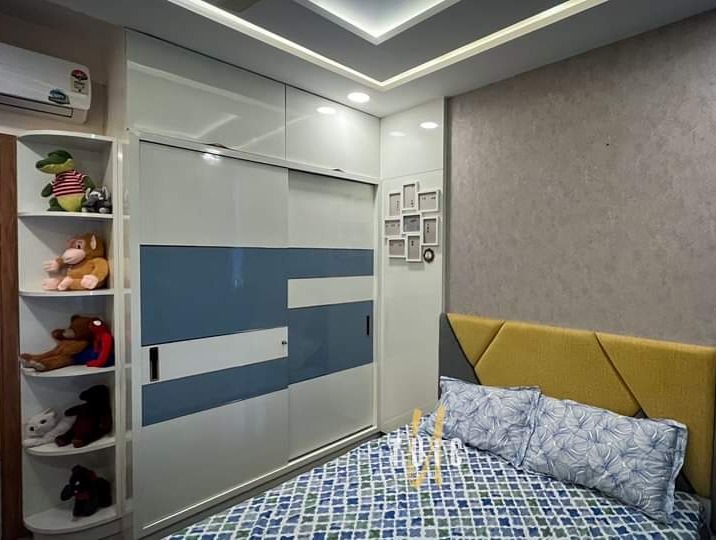
Wardrobe
Designing a wardrobe involves considering various factors such as space availability, functionality, aesthetics, and personal preferences. Here are some steps and considerations to help you design a wardrobe:
Assess Your Needs: Determine what you'll be storing in the wardrobe. Consider your clothing items, accessories, shoes, and any other items you plan to keep in it.
Measure the Space: Take accurate measurements of the area where you plan to install the wardrobe. Consider height, width, and depth, as well as any obstacles like doors or windows.
Choose the Type of Wardrobe: Decide whether you want a built-in, freestanding, walk-in, or fitted wardrobe based on your space and preferences.
Interior Layout: Plan the interior layout based on your storage needs. Include hanging space for clothes that need to be hung, shelves for folded items, drawers for smaller items, and compartments for accessories.
Material and Finish: Select the material and finish that align with your style and budget. Common materials for wardrobes include wood, laminate, metal, and glass. Consider the color and texture as well.
Doors: Decide on the type of doors for your wardrobe. Options include hinged doors, sliding doors, or even open shelving depending on your space and style.
Lighting: Incorporate lighting into your wardrobe design to improve visibility and enhance the overall look. This could be integrated LED lights, spotlights, or even natural light if possible.
Organization Accessories: Consider adding organizational accessories such as tie racks, belt racks, shoe racks, or jewelry trays to maximize storage efficiency.
Ventilation and Accessibility: Ensure proper ventilation inside the wardrobe to prevent musty smells and moisture buildup. Also, make sure the wardrobe is easily accessible and functional in your daily routine.
Customization: If you have specific preferences or unique storage needs, consider customizing your wardrobe design to meet those requirements.
Budget: Set a budget for your wardrobe project and stick to it. Consider the cost of materials, labor, and any additional features or accessories.
Consultation: If you're not confident in designing the wardrobe yourself, consider consulting with an interior designer or a professional wardrobe designer who can help bring your vision to life.
Remember to consider your personal style, lifestyle, and storage needs when designing your wardrobe to create a space that is both functional and aesthetically pleasing.